There was a night when Augustine could no longer run.
The wine of pleasure had turned bitter.
The applause of scholars had grown hollow.
The kisses of sin had lost their warmth.
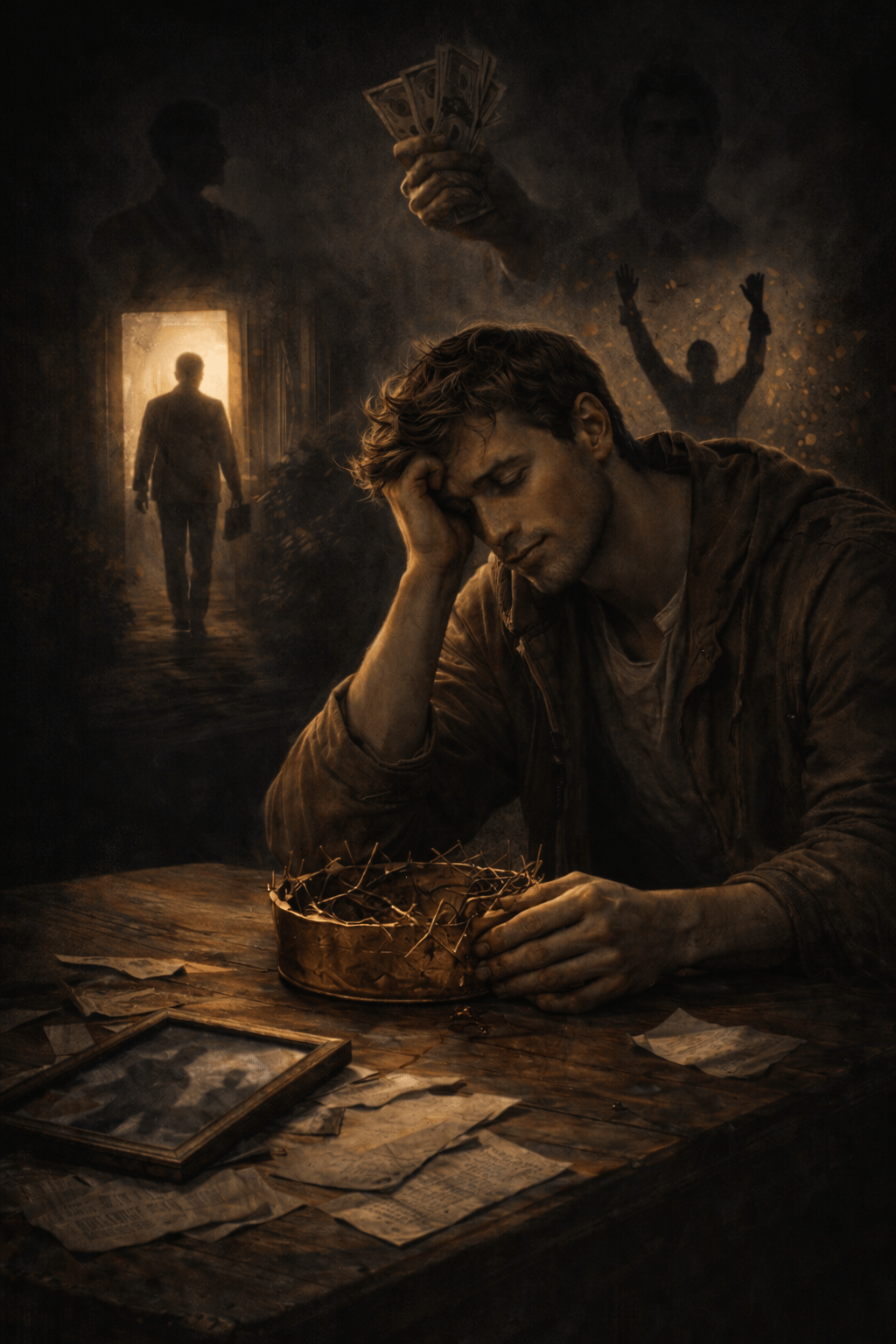
He stood among the ruins of his own heart, surrounded by echoes that would not fade.
The boy who once mocked his mother’s tears now drowned in his own. He had climbed the ladders of ambition, embraced the arms of lovers, mastered the art of words, yet he was starving. His soul was a cracked vessel, holding nothing, thirsty for a fountain he could not name.
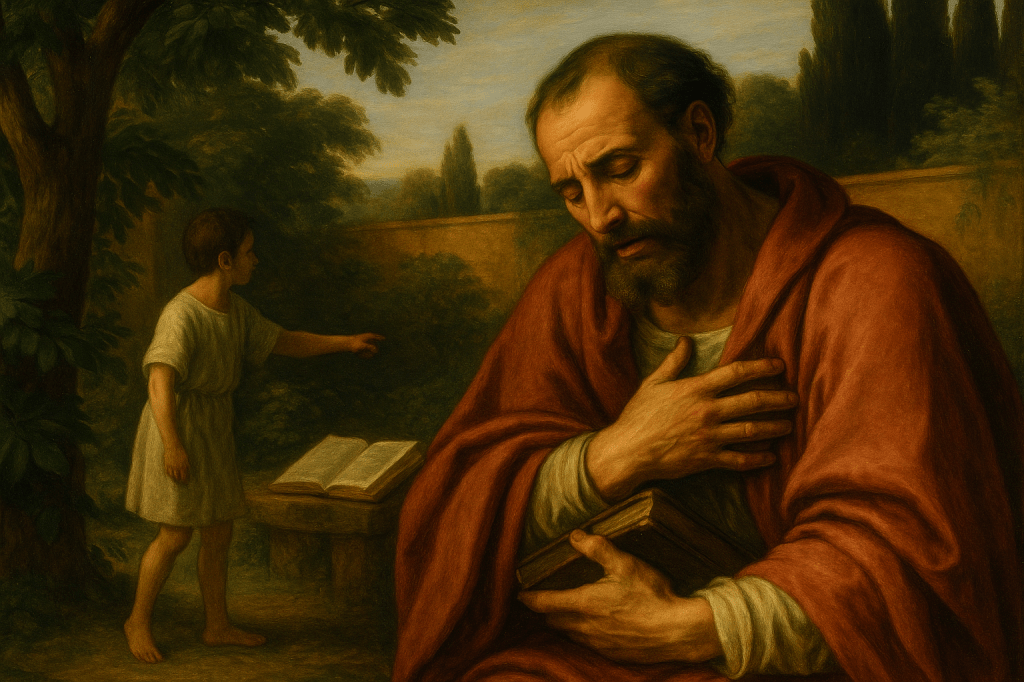
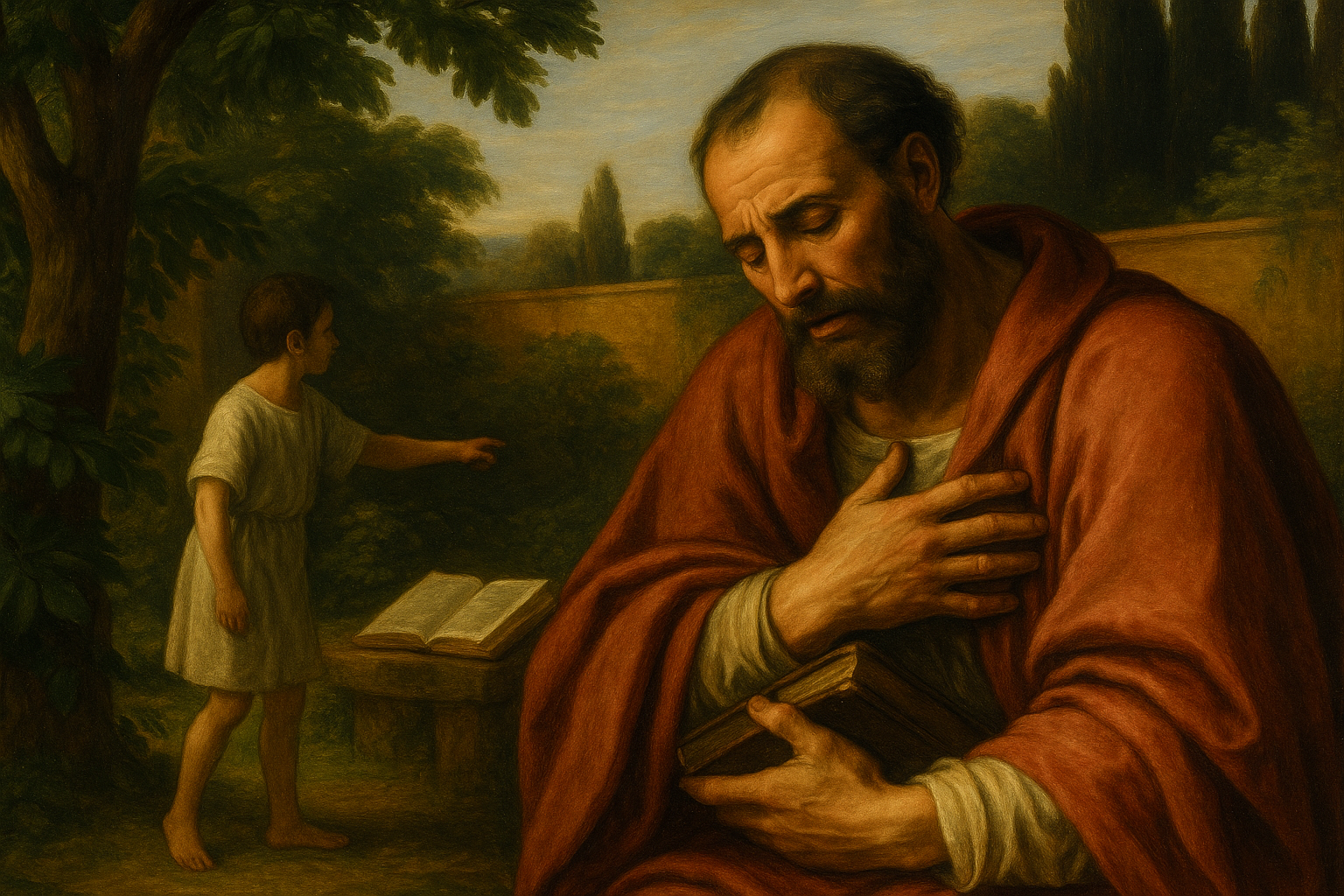
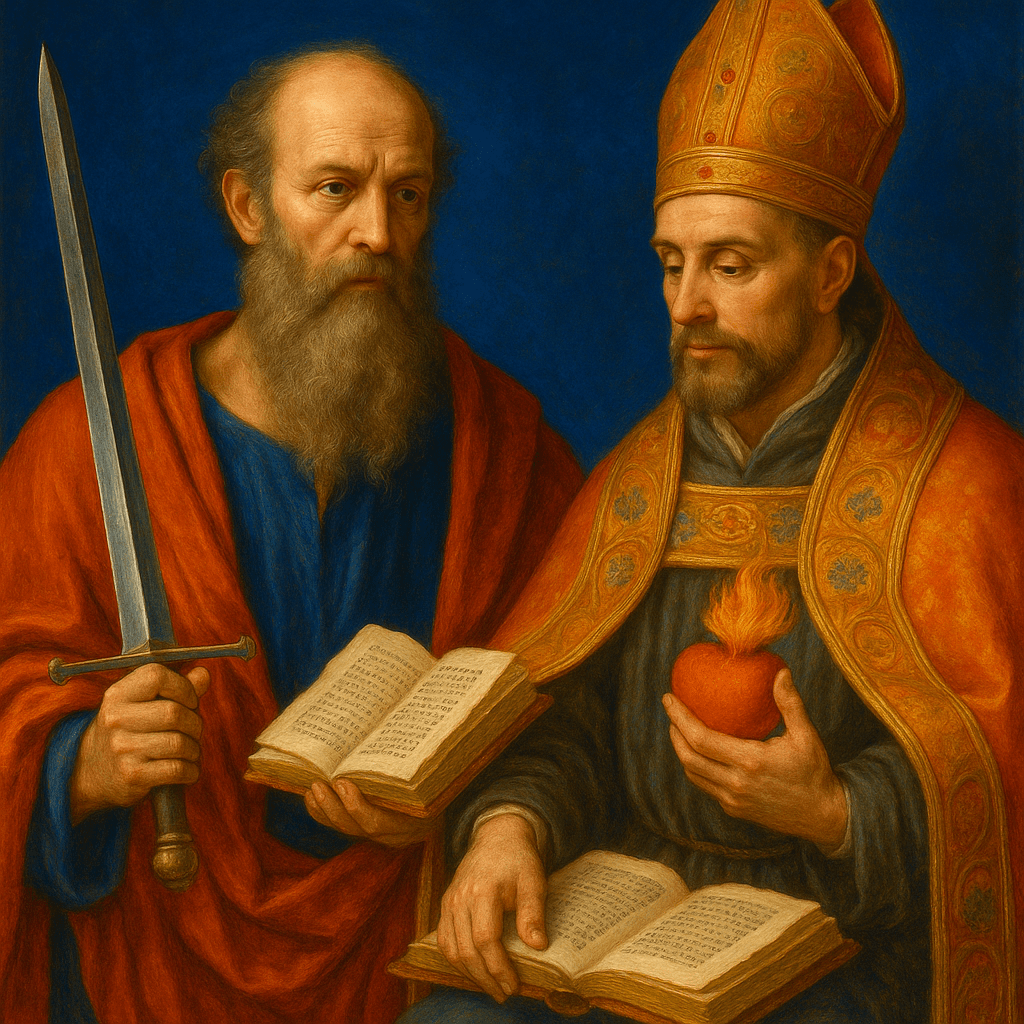
Then came the breaking point. The garden in Milan. The trembling hands. The storm within that no philosophy could calm. The voice of a child, distant yet piercing, saying Take and read. He opened the Scriptures, and the words burned like fire: Put on the Lord Jesus Christ. It was the sentence that shattered the chains.
Later he would cry out, You have made us for Yourself, O Lord, and our hearts are restless until they rest in You. But on that night, his heart was still restless, trembling between two worlds.
And here we stop, trembling with him.
For how many times have we too encountered God and turned away?
How many nights has grace knocked on the door of our hearts, only to find us too weary, too proud, too frightened to open?
We meet Him in prayer, in suffering, in the quiet moments when the world grows still—yet we fall back into the same old sins, the same illusions, the same chains.
Why?
Because the human heart loves half-measures. We want God but also the safety of our old lives. We crave eternity yet clutch at dust. We pray for light yet hide in the shadows we have grown used to. Unlike Augustine, we often lack the courage to burn the bridges behind us.
Augustine did not. That night there was no turning back. The bridges to his old life crumbled. The friends, the passions, the dreams of worldly glory fell like leaves in autumn winds. He was left standing before the Eternal with nothing but his naked soul.
This was no gentle conversion. It was a death. The death of pride, the death of illusions, the death of the self that had boasted, conquered, desired, and yet had never truly lived. He had reached the edge of existence itself, staring into the abyss, until the abyss was filled with the light of God.
He wept not only for wasted years but for the weight of a love that had followed him through every shadow. Late have I loved you, O Beauty ever ancient, ever new; late have I loved you. The cry was not just regret; it was the birth of a soul that had finally found its home.
And this is where we fail again and again. We want God without surrender. We want mercy without the death of the old self. We want peace without the courage to leave behind the things that poison us. Augustine did not stop halfway. He gave God everything, and so his life burned with a flame that no storm could quench.
The existential weight of that hour crushes us still. For we stand, as he once did, between the God who calls and the self that clings to dust. He chose eternity. We often choose delay. He rose from the ruins; we rebuild our ruins and call them home.
Yet Augustine calls across the centuries: The house of my soul is too small for you to enter; make it bigger. Knock it down; build it up. He became the man who could finally say, I have become a question to myself.
We too can be like him. But only if we dare to break. Only if we let grace do the killing and the healing. Only if we stop bargaining with God and fall entirely into His arms.
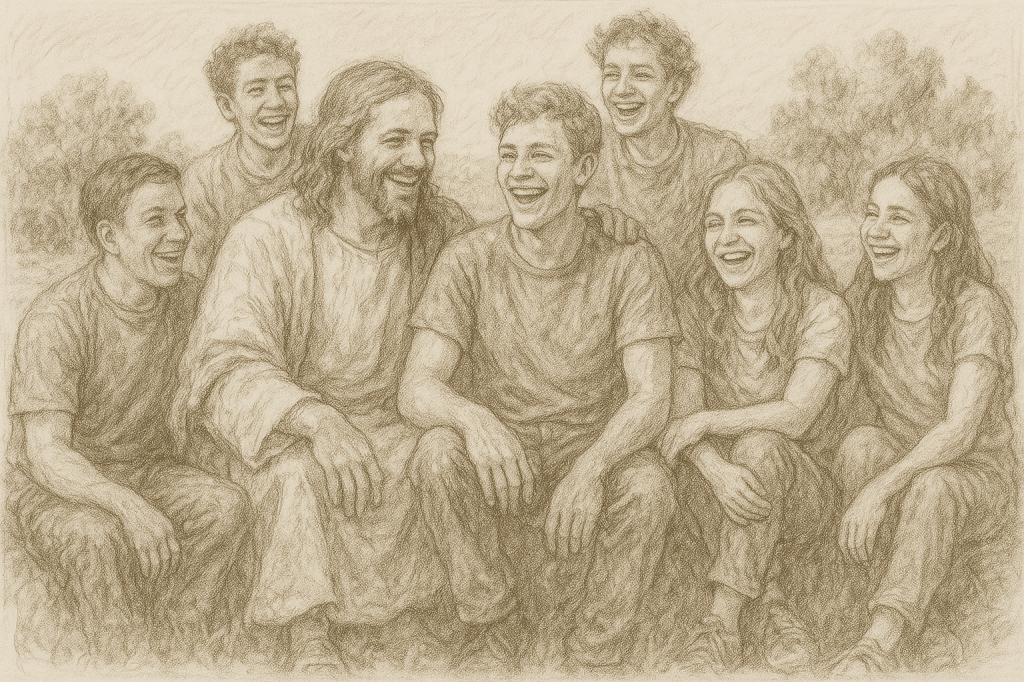
Augustine rose from that night carrying a soul conquered by love. The world behind him was ashes. The road before him was narrow yet filled with the footsteps of eternity. His life became a cry, a confession, a hymn to the Beauty that had finally claimed him.
We can be like him if we let our own restless hearts reach that hour of no return, if we dare to say enough to half-lived lives, if we let God pierce us with the same fire that turned Augustine from a seeker into a saint.
For the saddest joy of all is this: when God finally wins, there is no turning back. And the life that rises from those ashes will never die.

 Zabenthung Dominic
Leave a comment